
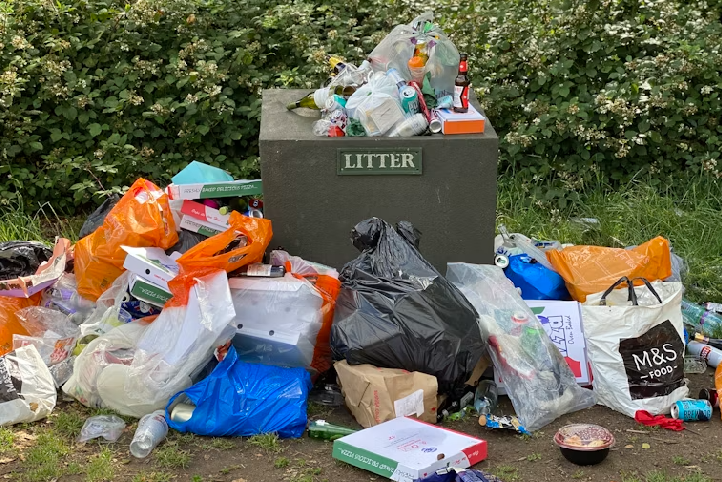
Renting a dumpster seems simple until you’re staring at a list of sizes and trying to guess which one actually fits your project. Order too small, and you’re stuck arranging a second pickup halfway through the job. Order too large, and you’re paying for space you never use. The good news is that picking the right size comes down to a few straightforward questions about your project, and once you know what to look for, the decision gets a lot easier.
Start With the Type of Project The kind of work you’re doing is the biggest clue to the size you’ll need. A small clean-out produces far less debris than a full renovation or a construction job, so matching the dumpster to the project type is the first and most important step. Before you even think about exact measurements, take a minute to picture the scope of what you’re clearing out. Is it a single room, a whole house, or a construction site producing debris every day?
As a general guide, an 8 yard dumpster tends to work well for small clean-outs, minor renovations, and yard waste. A 15 yard dumpster is a solid fit for kitchen or bathroom remodels and moderate clean-outs, while an 18 yard dumpster suits larger renovations and jobs like roofing or siding tear-offs. For major renovations, construction debris, or full property clean-outs, a 20 yard dumpster usually gives you the room you need.
These are starting points, not hard rules. A small renovation with a lot of demolition debris might need a bigger dumpster than a similarly sized project that’s mostly furniture and boxes. That’s why it helps to think through the details rather than just picking based on room count or square footage alone.
Think About Volume, Not Just Weight It’s easy to focus on how heavy your debris will be, but volume matters just as much, sometimes more. Bulky items like furniture, cabinetry, or mattresses take up a lot of space quickly, even when they’re not especially heavy. On the other hand, dense materials like concrete, brick, or dirt are heavy but don’t take up much room. If your project involves a lot of large, bulky items, it’s often worth sizing up even if the total weight seems manageable.
This is one of the most common mistakes people make when estimating dumpster size. They think in terms of “how much stuff” without accounting for how awkwardly it stacks. A dumpster that looks like it should easily hold a garage’s worth of items can fill up fast once odd-shaped furniture and boxes are loaded in.
Consider How Long the Project Will Take Some projects happen all at once, like a weekend clean-out where everything goes in a day or two. Others stretch out over a week or more, like a renovation where debris builds up gradually as work progresses. If your project falls into the second category, it’s worth accounting for the fact that you’ll be adding to the dumpster over time, not filling it all in one trip.
Longer projects also benefit from a slightly larger size, simply because it’s harder to estimate exactly how much debris a multi-day job will produce. Renovation work in particular tends to generate more waste than people initially expect, from packaging materials to old fixtures that come out unexpectedly.
When in Doubt, Size Up Slightly If your project falls between two sizes, it’s usually smarter to choose the larger option. A little extra room costs less in the long run than arranging a second delivery, rescheduling a pickup, or worse, having a dumpster hauled away before everything actually made it in. Extra space also gives you flexibility if the project ends up producing more debris than expected, which happens more often than not.
That said, sizing up doesn’t mean always going with the biggest option available. An oversized dumpster on a small residential driveway can be harder to place and may cost more than necessary. The goal is a reasonable buffer, not maximum capacity for every job.
Ask Before You Book The fastest way to avoid guessing is to describe your project to the rental company before booking. A quick conversation about the scope of the job, what’s being removed, how long the project will take, and how much debris is expected usually points to the right size without any of the back-and-forth. Most rental companies have handled similar projects before and can offer a reasonably accurate recommendation based on a short description.
It also helps to mention any constraints on your property, like a narrow driveway or limited placement options, since that can affect which sizes are practical for delivery in the first place.
Final Thought Choosing a dumpster size doesn’t need to be complicated. Match the size to your project type, account for bulky items and the length of the job, and don’t be afraid to size up slightly if you’re between options. If you’re still not sure, a quick call can save you the hassle of ordering the wrong size and dealing with a second delivery or an overflowing dumpster halfway through your project.
Need help picking a size for your project in Ashland, OH? Call Ohio Pride Dumpster Rentals at (419) 571-8042 and we’ll help you find the right fit before you book.